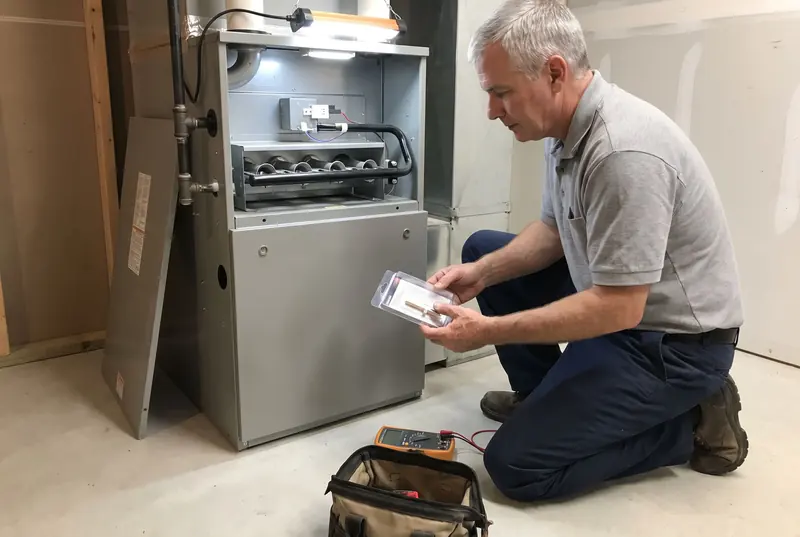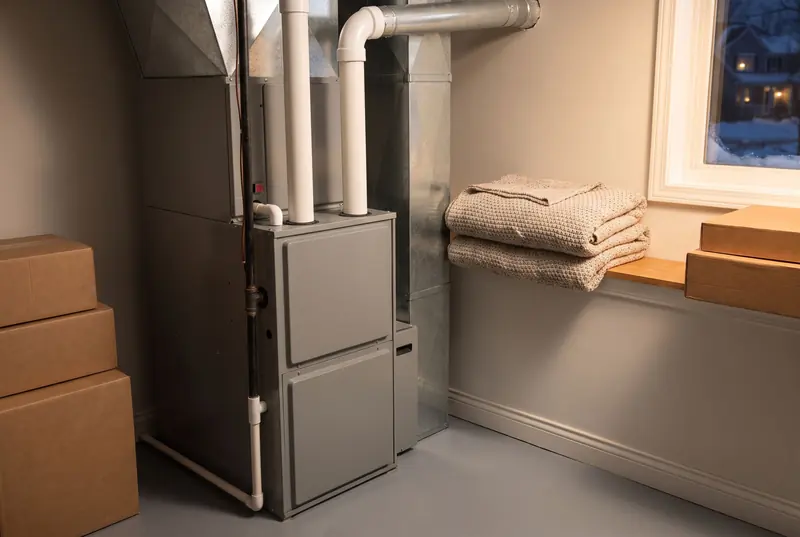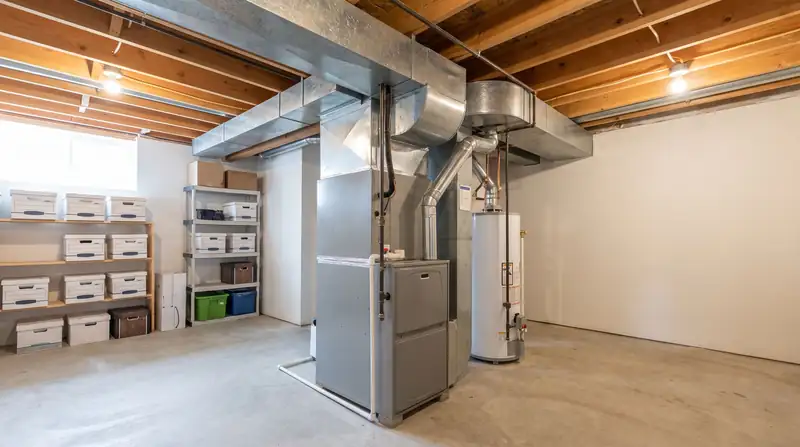

A modern furnace runs a strict startup sequence, and knowing where the sequence breaks is most of the diagnosis. The thermostat calls, the inducer motor spins up to prove draft through a pressure switch, the hot surface igniter glows, the gas valve opens, the burners light, the flame sensor confirms fire, and only then does the blower deliver heat to the house. In Santa Cruz, CA, the failures cluster at predictable points: a flame sensor coated in oxide that can no longer prove the flame, a hot surface igniter cracked from years of thermal cycling, a pressure switch that will not close because the inducer is weak or the condensate trap on a high-efficiency model has clogged, or a control board with a burned relay. Each one stops the sequence cold, and each one mimics the others from the hallway.
When the AC quits in summer, see AC Repair.
Warning Signs for Furnace Repair
Recognizing the warning signs early can save you time and money. Keep an eye out for the following clues:
- Booming or banging at light-off from delayed ignition
- Air moving through the vents that never gets warm
- A pilot or burner flame that is lazy yellow instead of crisp blue
- Frequent on-off cycling that never reaches the thermostat setting
- Grinding or high-pitched squeals from the blower
- The furnace clicks and glows but the burners never light
- Water, rust stains, or black soot around the flue or cabinet
- Repeated shutdowns just seconds after the burners light
Early Action Saves Money
A failing capacitor, clogged condensate drain, or dirty flame sensor rarely fixes itself and usually gets more expensive to address the longer it runs. If you notice any of these signs, call (831) 201-5093 for a prompt inspection.